
Updated: May 2026
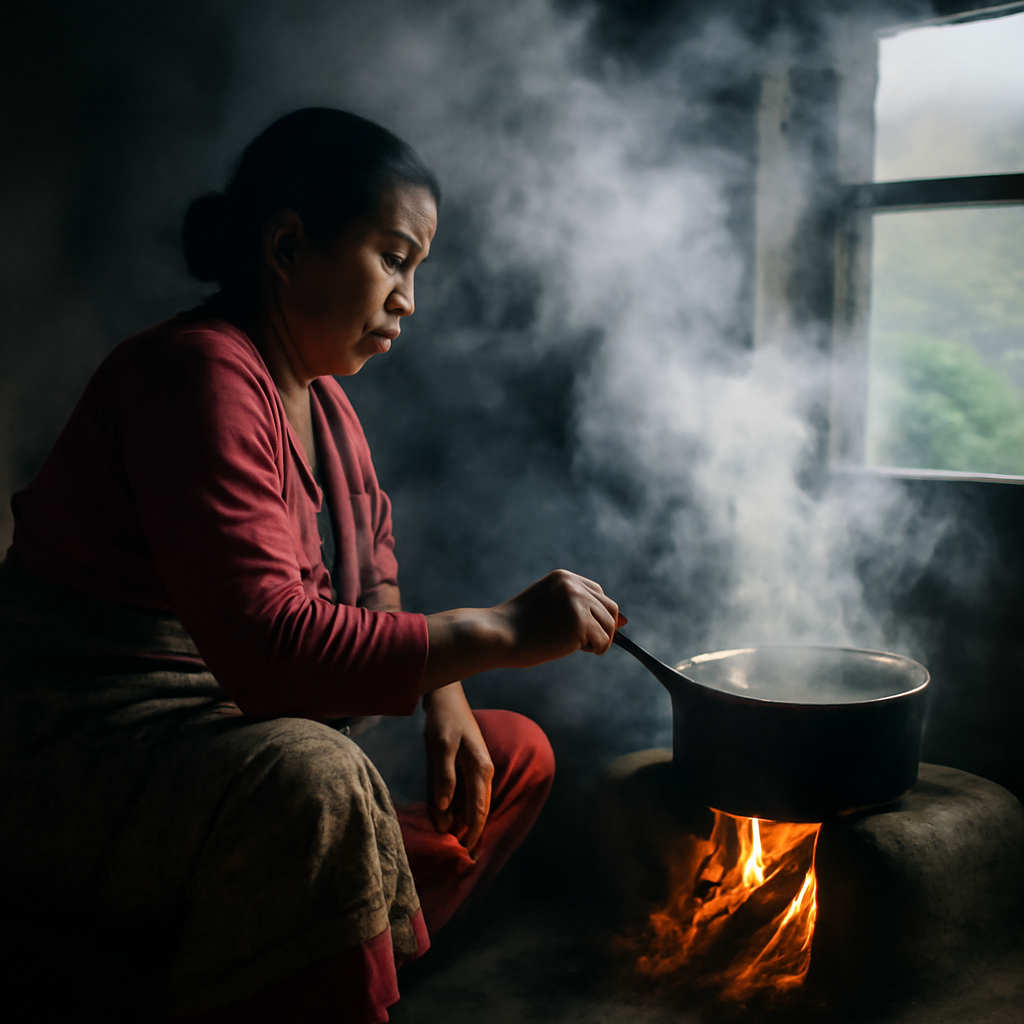
COPD is not just a smoker’s disease in Nepal. I have seen too many older women with breathlessness who never smoked, but spent decades cooking near firewood smoke in poorly ventilated kitchens.
Short answer: COPD should be suspected in an adult with chronic cough, sputum, wheeze, breathlessness, recurrent chest infections, smoking history, biomass smoke exposure, occupational dust/fume exposure, or long-term air pollution exposure. The diagnosis should be confirmed with spirometry whenever possible.
What COPD Means
COPD stands for chronic obstructive pulmonary disease. It is a long-term lung disease where airflow becomes limited. Patients often describe it as breathlessness while walking uphill, chronic cough, phlegm, wheeze, or repeated “chest infections” that take longer to recover from.
Globally, WHO describes COPD as a common lung disease causing restricted airflow and breathing problems. It is not fully curable, but symptoms and flare-ups can improve with the right treatment, smoking cessation, cleaner air, vaccines, inhalers, oxygen when needed, and pulmonary rehabilitation.
Why COPD Is So Common in Nepal
In Nepal, COPD has several overlapping causes. Smoking matters, but it is not the whole story.
1. Biomass Smoke
Firewood, crop residue, dung and other solid fuels are still used in many homes. The exposure is usually daily and long-term. The person most exposed is often the person cooking, which is why many women develop COPD even without smoking.
2. Tobacco and Second-Hand Smoke
Cigarettes, bidis and other tobacco products increase COPD risk. Second-hand smoke also matters, especially in closed rooms.
3. Dust, Traffic and Air Pollution
Kathmandu valley air, roadside dust, brick kilns, construction work, traffic smoke and seasonal wildfire smoke can all worsen breathing symptoms. For someone who already has COPD, bad air days can trigger exacerbations.
4. Work Exposure
Long-term exposure to dust, fumes, chemicals, smoke, welding fumes, agricultural dust or indoor workplace smoke can contribute. A proper COPD history in Nepal should always ask about work, not only smoking.
Symptoms That Should Not Be Ignored
- Breathlessness while walking uphill or climbing stairs
- Chronic cough for months or years
- Daily or frequent phlegm
- Wheezing or chest tightness
- Repeated chest infections
- Needing more pillows at night or waking up breathless
- Weight loss, fatigue or reduced ability to work
- Blue lips, swelling of legs, confusion or severe drowsiness in advanced disease
When to Seek Urgent Care
A COPD flare-up can become dangerous quickly. Go to a hospital or emergency service if there is severe breathlessness, bluish lips, confusion, very low oxygen saturation, chest pain, inability to speak full sentences, high fever, drowsiness, or worsening symptoms despite inhalers.
Diagnosis: Do Not Guess If Spirometry Is Available
COPD is often overdiagnosed and underdiagnosed at the same time. Some patients are told they have “asthma” for years. Some are given inhalers without ever doing spirometry. Some are treated repeatedly with antibiotics for “chest infection” without anyone asking why it keeps recurring.
Spirometry is the breathing test used to confirm persistent airflow obstruction. If spirometry is not available in a rural setting, the clinical suspicion can still guide referral and treatment, but the patient should get spirometry when possible.
Basic Treatment Principles
1. Stop Smoking Completely
This is the single most important intervention for smokers with COPD. Reducing from ten cigarettes to two is better than nothing, but complete cessation is the goal. Family members should also avoid smoking inside the home.
2. Reduce Smoke Exposure at Home
For many Nepali families, “just use LPG or electricity” is not always financially simple. Still, exposure can be reduced:
- Improve kitchen ventilation
- Use chimney/improved stove if available
- Keep children and elderly people away during fire-lighting
- Dry firewood before use
- Avoid indoor biomass heating without ventilation
- Cook outside or near an open area when practical
3. Use Inhalers Correctly
Inhalers only work if the technique is correct. I have seen patients “using inhalers for years” but receiving very little medicine because the timing, seal or breath-hold was wrong.
Bronchodilator inhalers are central in COPD. Some patients need long-acting inhalers. Inhaled steroids are not for everyone; they are usually considered in selected patients, especially those with frequent exacerbations or asthma-COPD overlap. The exact choice should be individualized.
4. Vaccines Matter
Respiratory infections can push COPD patients into severe flare-ups. Influenza vaccination, pneumococcal vaccination, and other age/risk-appropriate vaccines should be discussed with a clinician.
5. Pulmonary Rehabilitation
Pulmonary rehab is not just “exercise.” It includes breathing techniques, graded activity, education, pacing, nutrition, inhaler technique, and confidence-building. Even simple supervised walking and breathing training can improve quality of life.
6. Oxygen Is for Documented Hypoxemia
Oxygen is not a general energy tonic. It is useful and lifesaving in the right patient, especially those with documented low oxygen saturation. But it should be prescribed and monitored properly, particularly in severe COPD where carbon dioxide retention can occur.
COPD and Altitude in Nepal
Many Nepalis live or travel in hilly and high-altitude areas. COPD patients may become more breathless at altitude because the oxygen pressure is lower. Patients with moderate or severe COPD should discuss travel plans, oxygen needs and emergency access before going to high-altitude regions.
For Families
Families often think COPD patients are “lazy” because they stop walking or working like before. Usually they are not lazy; they are breathless. Support means helping them avoid smoke, checking inhaler technique, encouraging safe activity, arranging follow-up, and recognizing flare-ups early.
My Take
COPD in Nepal is a disease of smoke, poverty, air, kitchens, tobacco, work exposure and delayed diagnosis. Treating it only with one inhaler is not enough.
A good COPD plan should ask:
- Is the diagnosis confirmed with spirometry?
- Is the patient still smoking or exposed to smoke?
- Can we reduce kitchen and workplace exposure?
- Is inhaler technique correct?
- Are vaccines updated?
- Does the patient need pulmonary rehab?
- Is oxygen needed based on saturation, not guesswork?
For Nepal, that practical approach matters more than a long list of medical terms.
Sources Checked
- WHO: Chronic obstructive pulmonary disease fact sheet
- CDC: About COPD
- Factors associated with COPD in Nepal: nationally representative study
- Systematic review: burden of chronic respiratory diseases in adults in Nepal
- Household air pollution and respiratory disease burden in Nepal
- Lancet Regional Health Southeast Asia: COPD self-management program in Nepal
No spam. Just a short email when I publish something new.