
Updated: May 2026
Dengue is common in Nepal now, but common does not mean harmless. The dangerous period often begins when the fever starts settling.
Short answer: Dengue has no specific antiviral treatment. The most important things are hydration, monitoring warning signs, avoiding ibuprofen/aspirin/NSAIDs, and seeking care early if the child becomes drowsy, vomits repeatedly, has abdominal pain, bleeding, breathing difficulty, or reduced urine.
Dengue in Nepal: Why Parents Should Take It Seriously
Dengue used to feel seasonal and limited to some areas. Now it is a regular concern in many parts of Nepal, including urban areas. In June 2025, Nepal also launched dengue “search and destroy” community activities to reduce mosquito breeding sites.
Children can have mild dengue, but severe dengue can develop quickly. The danger is not only the platelet count. The real concern is plasma leakage, shock, bleeding, organ involvement, and dehydration.
The Three Phases of Dengue
| Phase | What parents may see | What matters |
|---|---|---|
| Febrile phase | High fever, headache, body pain, vomiting, rash | Hydration, paracetamol, diagnosis |
| Critical phase | Fever may reduce but warning signs appear | This is when shock can happen |
| Recovery phase | Appetite returns, urine improves, energy returns | Avoid fluid overload if hospitalized |
Warning Signs: Go to Hospital
- Severe abdominal pain or tenderness.
- Repeated vomiting.
- Drowsiness, restlessness, or unusual behavior.
- Bleeding from nose/gums, blood in vomit or stool, black stool.
- Cold hands/feet, dizziness, fainting, or weakness.
- Breathing difficulty.
- Reduced urine.
- Persistent fever with child looking very sick.
Platelets: Important, But Not the Whole Story
Many families panic when platelets fall. Platelets matter, but treatment decisions should not be based only on one platelet number. A child with moderate platelet fall but good hydration, normal blood pressure, good urine, and no warning signs may be safer than a child with higher platelets but shock signs.
Doctors look at the whole child: pulse, blood pressure, capillary refill, urine output, hematocrit trend, bleeding, abdominal signs, liver size, breathing, and mental status.
Medicines to Avoid
Do not give ibuprofen, aspirin, diclofenac, naproxen, or other NSAIDs in suspected dengue because they can increase bleeding risk. Use paracetamol in the correct dose for fever or pain.
Do not use steroids, antibiotics, or platelet-raising “packages” without a clear medical reason.
Fluids at Home
If the child is alert and able to drink, give frequent small amounts of fluid: ORS, water, soup, milk, dal ko jhol, or other tolerated fluids. Watch urine. A child who is not passing urine properly needs evaluation.
Do not force large amounts at once if the child is vomiting. Small frequent sips work better.
Prevention
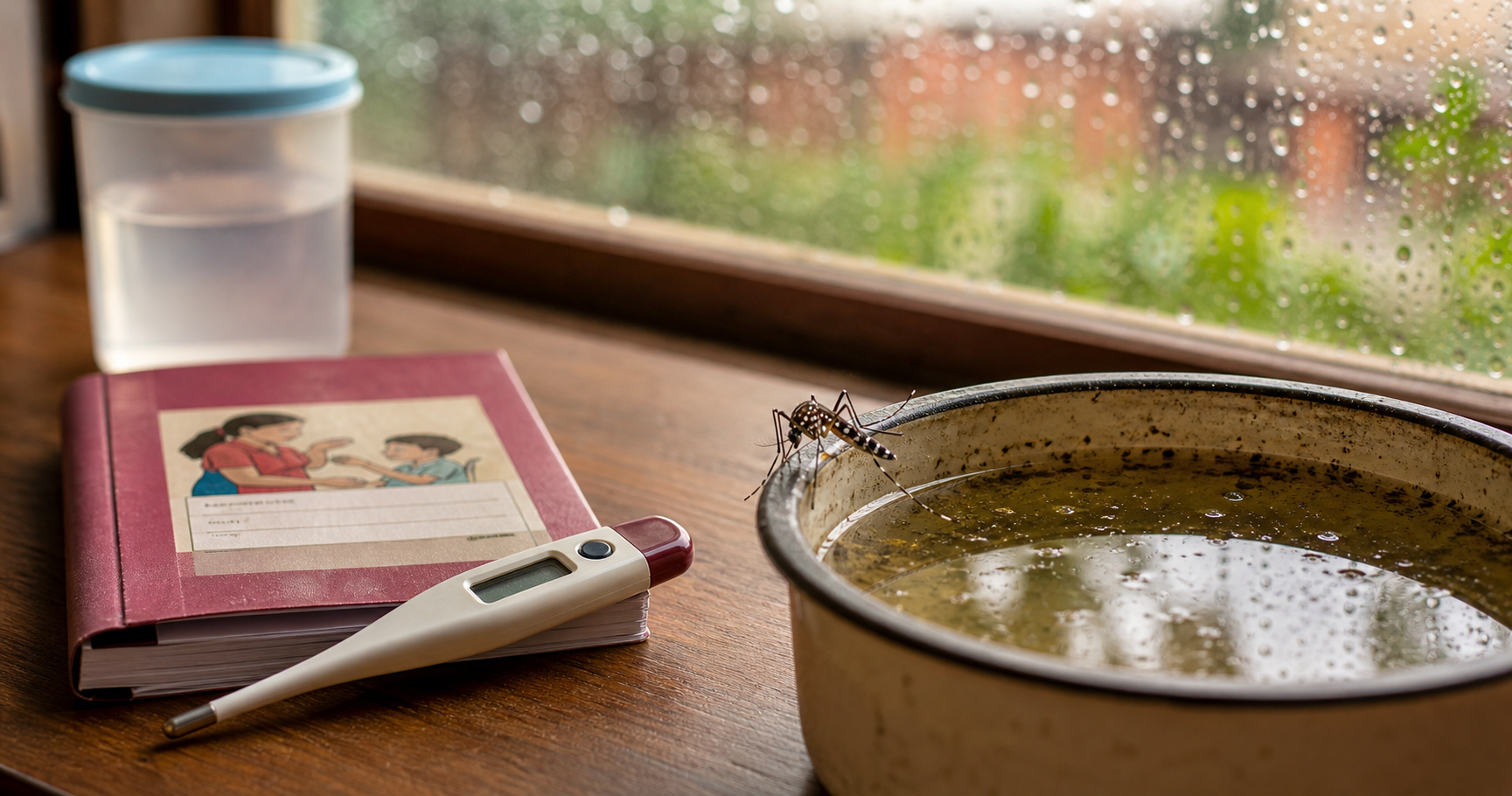
- Remove stagnant water from buckets, tyres, flower pots, tanks, and roof areas.
- Use mosquito nets and repellents appropriate for age.
- Keep children in long sleeves when mosquito exposure is high.
- Support community search-and-destroy campaigns.
My Take
The phrase I repeat to parents is this: dengue is not managed by chasing platelets. It is managed by watching the child, fluids, warning signs, and timely hospital care.
Sources Checked
- CDC: Managing dengue
- CDC: Clinical care of dengue
- WHO Nepal: Dengue search and destroy drive, 2025
- National Guidelines on Prevention, Management and Control of Dengue in Nepal
No spam. Just a short email when I publish something new.